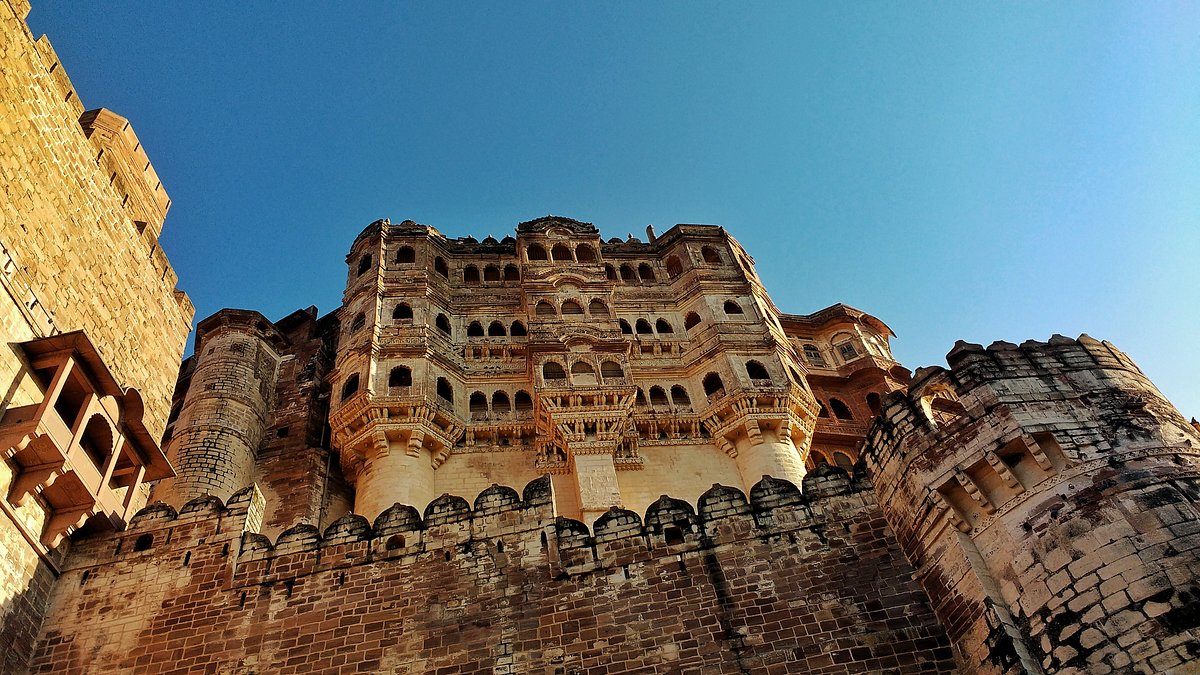
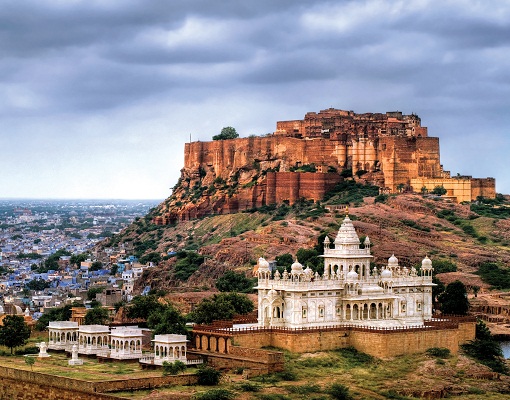
The impregnable Mehrangarh Fort, which rises above the city, is one of the largest forts in India. As impressive as it is, as a well preserved heritage structure, there's so much more to discover inside. One of the highlights is the museum, which houses an outstanding collection of fine and applied arts from the Mughal period of Indian history. It even has the only professional museum shop in India.
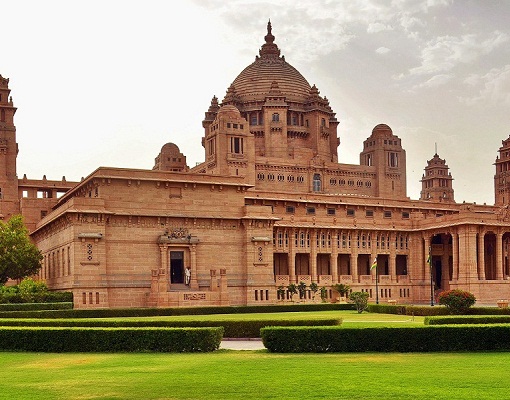
The Umaid Bhawan Palace at Jodhpur, India's last great Palace, was constructed between 1929 and 1944. Constructed in what can loosely be described as the Indo-Art-Deco style, this magnificent edifice with 347 rooms is the world's largest private residence when it opened its doors as a royal residence in 1944. Named after The Late His Highness Maharaja Umaid Singhji.
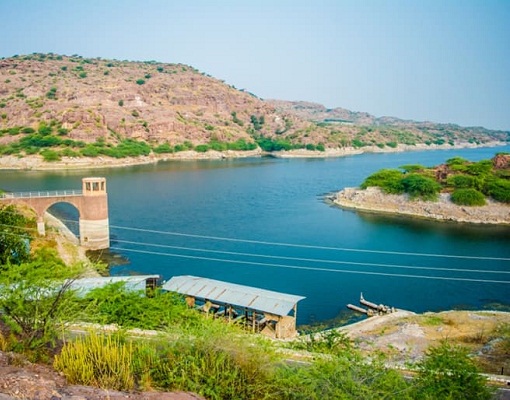
It is an artificial lake. It receives its water from Hathi Nehar, which is further connected to the Indira Gandhi canal. The natural vegetation here mostly consists of Babool trees (English: Acacia Nilotic), and various migratory birds are seen here in the winter season. The city of Jodhpur and all the surrounding towns and villages depend on Kaylana Lake as a source of drinking water.
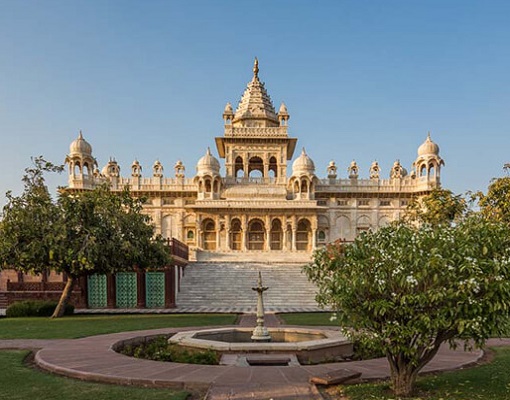
This milky white memorial built towards the end of the 19th century as a tribute to the leader Jaswant Singh is a huge tourist attraction. Jaswant Singh, who ruled Jodhpur, invested well in his state. He made attempts to bring down the level of crime, subdue dacoits, built railways and broadly worked on raising the economy of Marwar.
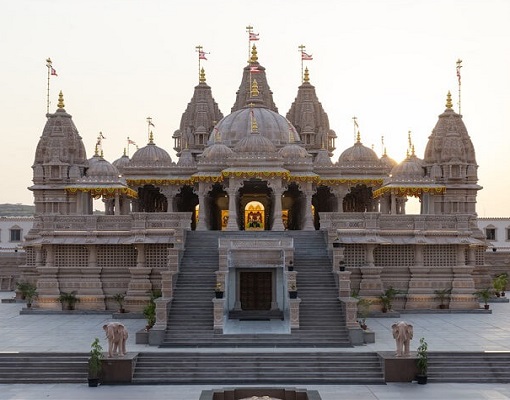
Akshardham is a serene Hindu temple known for its peaceful atmosphere, beautiful stone architecture, and spiritual significance. It is inspired by traditional Indian temple design and is a popular spot for devotees as well as visitors seeking calm away from the city’s hustle. it is is a wonderful place if you’re interested in spirituality, architecture.
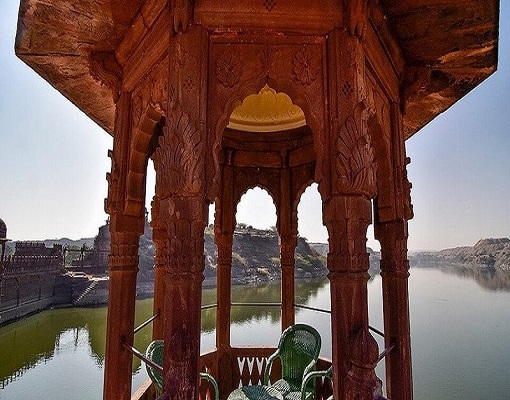
This is yet another picnic place in Jodhpur, located outside 5 Kms from Jodhpur Mandore Road. As the name suggests, Bal Samand Lake is an artificial water body that was constructed back in 1159 AD by Balak Rao Parihar. It was constructed to provide water to the people of Mandore. the place is embraced with the greenery trees of plum, and papaya.
Mandore was the capital of the Marwar region before Jodhpur was founded but now it's in a miserable condition. There's an old fort, as well as an eclectic collection of temples and cenotaphs, and a small museum, in the Mandore Gardens. It is a really attractive tourist spot.
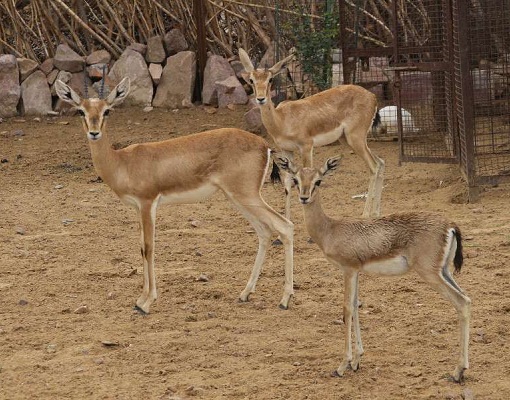
Machia Biological Park will be opened for public in March which will thus put Jodhpur on the eco-tourism map of the country. Spread over 41 hectare, the Rs 32.30-crore biological park will house lions, tigers, jackals, hyenas, desert cats and desert foxes from different zoos across the country.
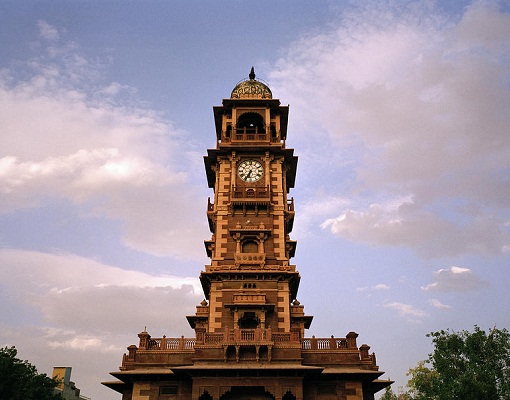
Ghanta Ghar also known as the clock tower. Beside the tower, there in the Sardar Market that is trusted by tourists for shopping. From this market, you can purchase Rajasthani textiles, clay articles, miniature camels and elephants, marble inlay work and classic silver and gold jewelry.
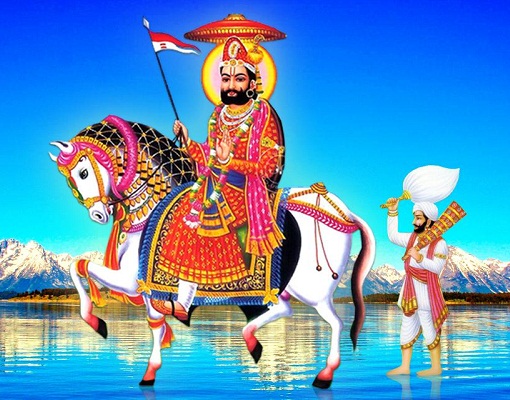
Ramdevra is a village situated about 12 km to the north of Pokhran in Jaisalmer district of Rajasthan in India.The village is named after Baba Ramdevji, a Tanwar Rajput and a saint who took Samādhi in 1384 CE, at the age of 33 years. Ramdevji Maharaj took samadhi in 1459 AD. Maharaja Ganga Singh of Jodhpur Bikaner constructed a temple around the samadhi in 1931 AD.
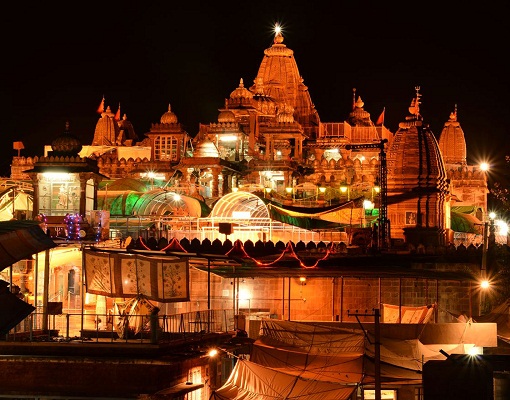
Osian is famous as home to the cluster of ruined Hindu and Jain temples dating from the 8th to 12th centuries. The city was a major religious centre of the kingdom of Marwar during the Gurjara Pratihara dynasty. Of the 18 shrines in the group, the Surya Temple, Sun Temple, Sachiya Mata Temple and the Jain temple dedicated to Mahavira stands out in their grace and architecture.
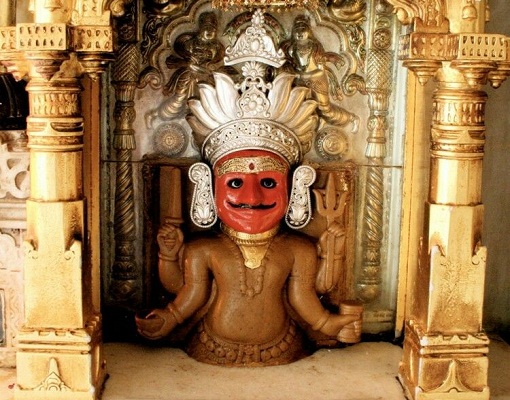
Nakoda ji is one of the famous Jain temple of India. This sacred tirtha is at a distance of 13 km from Balotara Railway station and 1 km from Mewad city. It is situated in the forest in the hills. In this tirtha with a charming natural atmosphere all-around, we have an idol of Mulnayaka Shri Parshvanath Bhagavan. It is black in complexion, 58 cm in height and in Padmasana posture.